Please Do This
/Nothing would accelerate the growth of interactive media more than taking control of TV sets away from the viewer.
Nothing would accelerate the growth of interactive media more than taking control of TV sets away from the viewer.
I've noticed something about the line at Chipotle. The first time they ask you for your order, they're not really paying any attention to your response. I've come to this conclusion after watching the mechanics of the burrito assembly line several dozen times. No, the first query is designed solely as a stall tactic - really to fill dead air while the burrito guy finishes off the order of the person immediately ahead of you. You'll be asked what you would like to order and whatever your response is, it will be met with a knowing nod. Ten seconds later, they'll ask you again.
So it really doesn't matter what you say the first time they ask you. For laughs, respond the first time with an order for a twice-baked dogshit panini with rainbow sprinkles. You'll get a knowing nod and 10 seconds later, a second request for your order.
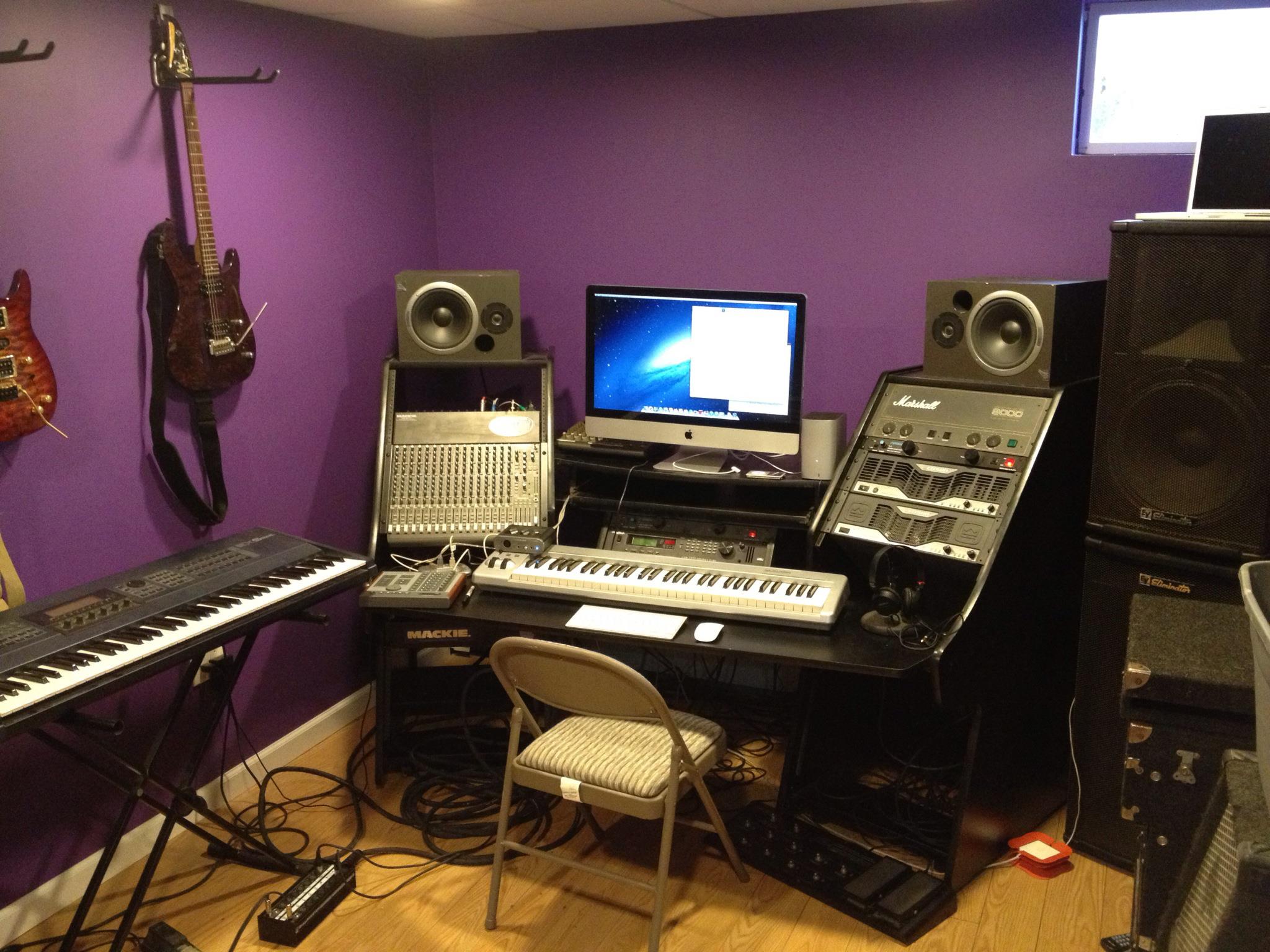
Not only do I not think that a lot of marketers are appreciative of where the citizen publishing movement is coming from, but also I'm not sure they understand the scale of it. To that end, I put together a piece this week that follows my story from my early days in home recording through to the present. I think a lot of marketers understand that digital distribution is a driving force behind all the content that's emerging. What I don't think they understand is ease of creation and production. Desktop publishing as we've come to understand it (magazine, newspaper, website creation and publishing) is just the beginning. Desktop publishing of music, film, animation, and just about every other art form is well established among early adopters and the early fringe, and will be going mainstream. It's that part that I don't think marketers understand well.
I also didn't pass up the chance to suggest that we think up a name less offensive than "Consumer Generated Content" or to suggest that new content producers have options other than record labels, film studios and such. And this isn't about thumbing your nose at the man. It's about acknowledging that there are more paths to the end goal of being able to make a living producing content. I think there are artists who don't yet realize that.
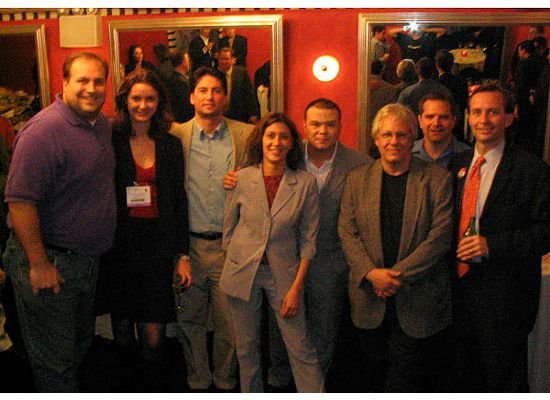
Last night, I had the pleasure of joining several industry colleagues at the Harvard Club as a guest of Choice Media to have dinner and a roundtable discussion with author David Vise about his book - The Google Story. After sitting down to dinner, host Chris Schroeder asked some interesting questions about Google, why they're so successful, and what challenges they face on the horizon. David cited the click fraud problem as a big challenge and described to the audience what constituted click fraud. I was surprised when someone from AvenueA/Razorfish (I didn't catch her name) insisted that she didn't much care about click fraud because Google was driving customers to her clients' sites. I chimed up to say that her clients pay for that media activity on a per-click basis. In an industry where a good media planner would go after a magazine that falls short of its rate base, how could an agency professional in good conscience fail to acknowledge a click fraud problem? It didn't make sense to me.
I got to catch up with some buds at this dinner, including Allen Baum (formerly of Lycos, now with Choice), Nick Pahade from Denuo, Sean Finnegan from OMD and Babs Rangaiah of Unilever. It was a very stimulating discussion concerning Google and a lot of the aforementioned folks got to ask questions of David. Personally, I chimed in to see if David knew anything about the dark fiber Google was buying up and asked whether he thought the rumors were true about Google holding onto this in case the "tiered Internet" scenario came to pass. David said he thought it was aimed more at reducing costs than anything else.
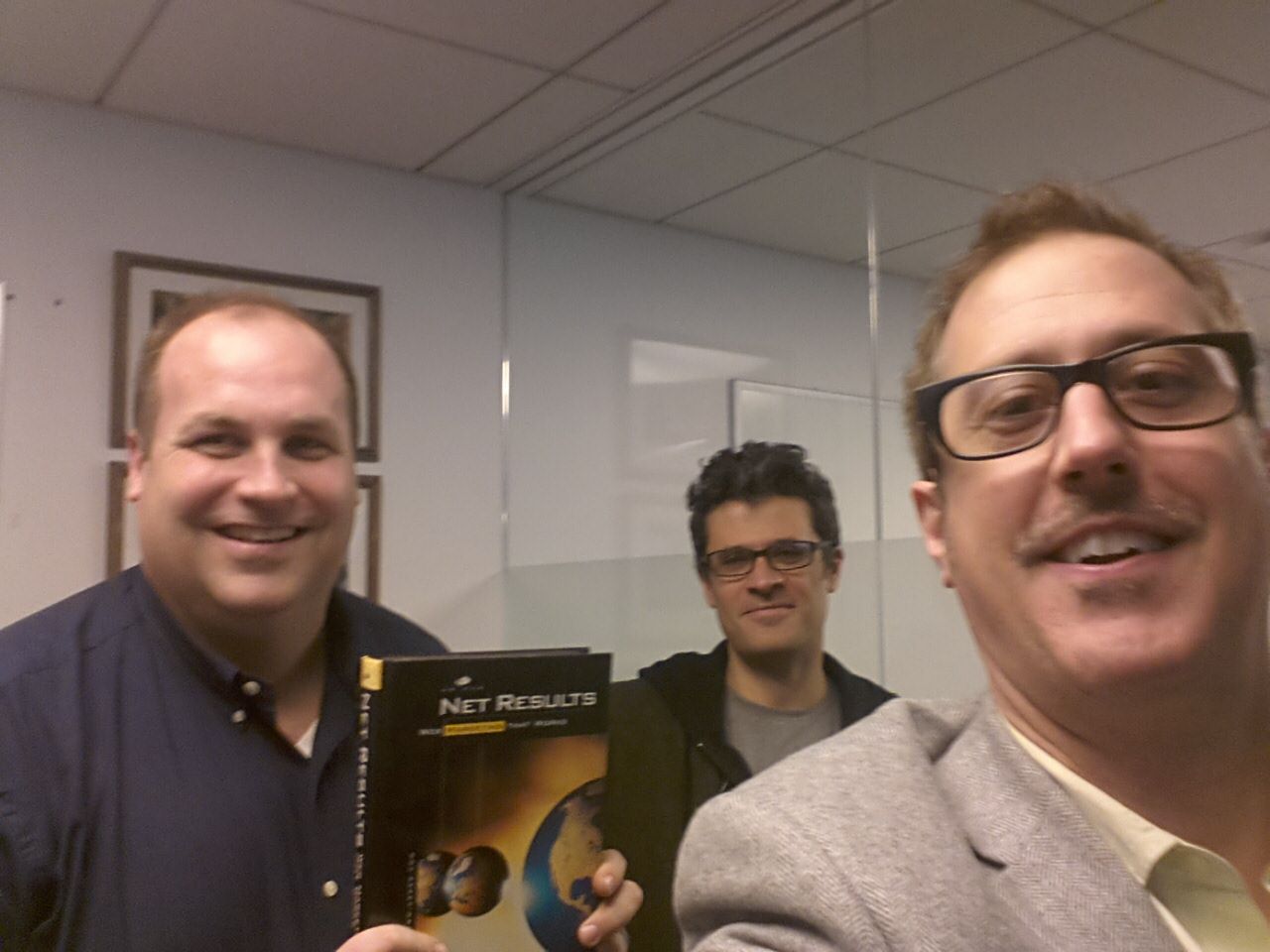
At the end of the night, David was kind enough to sign a copy of his book for me - one that I plan on reading soon (when I get unburied from all the tech manuals I'm currently reading).
The personal site of Tom Hespos.
RSS FEED
RECENT POSTS
BLOG ARCHIVE
SOME FAVORITE PICTURES